Hangzhou Xinabo Intelligent Electromechanical Technology Co., Ltd
Thuis / Producten / Intelligent Threading Machine
Over ons
Hangzhou Xinabo Intelligent Electromechanical Technology Co., Ltd

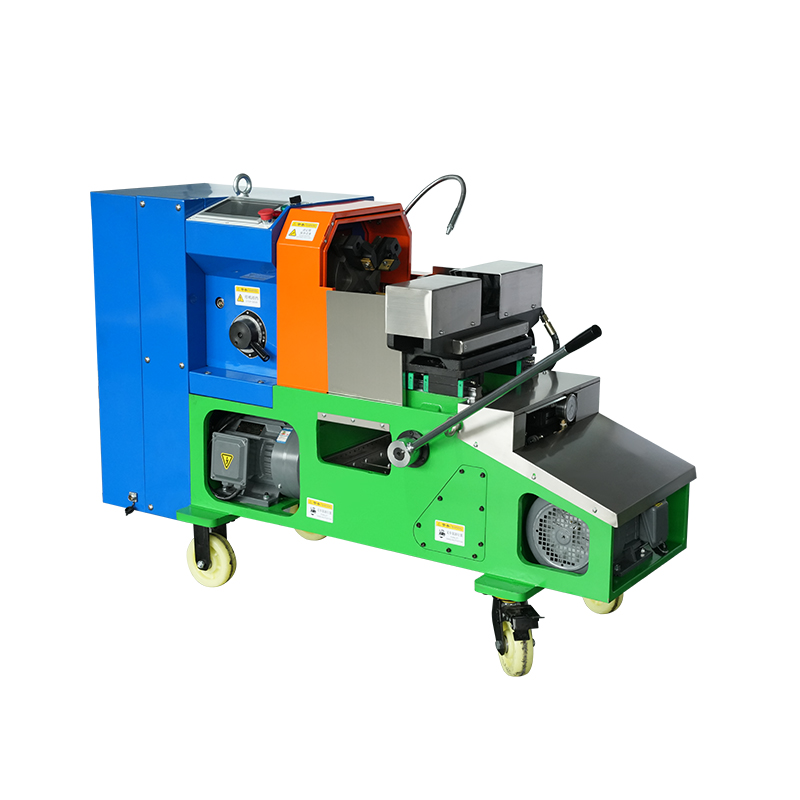
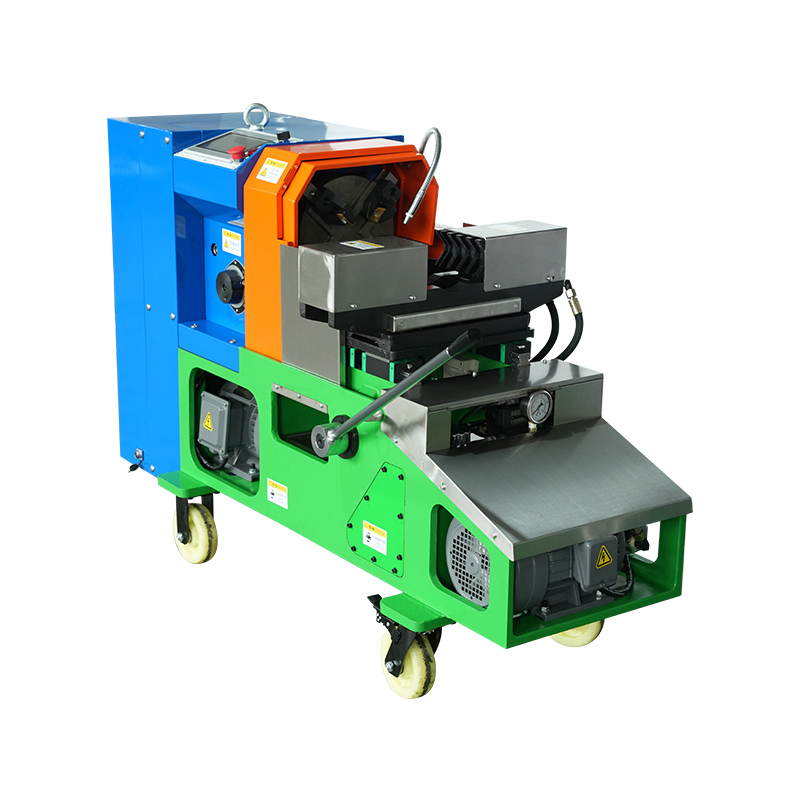
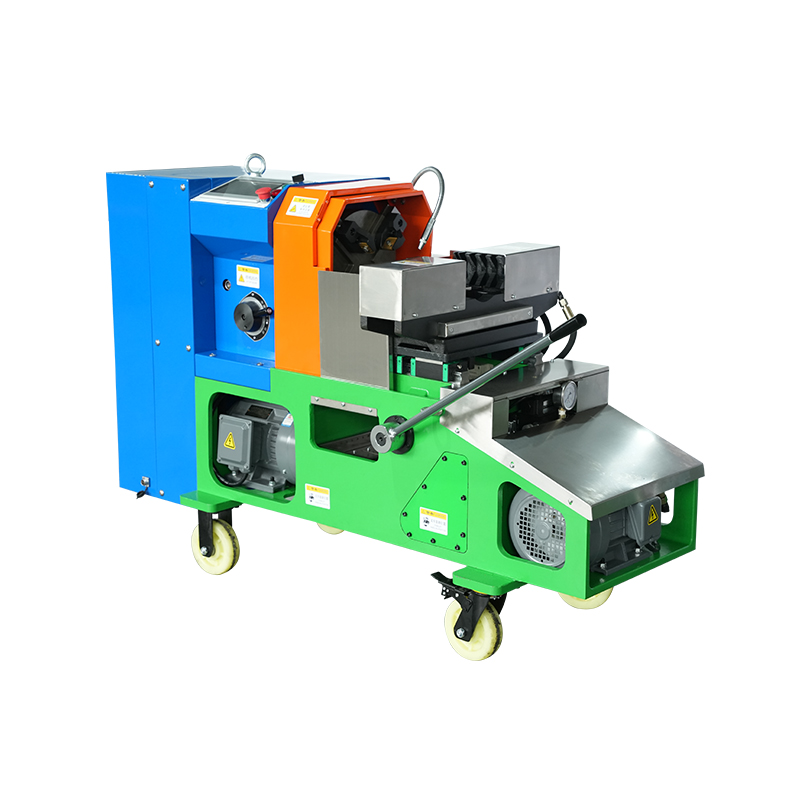
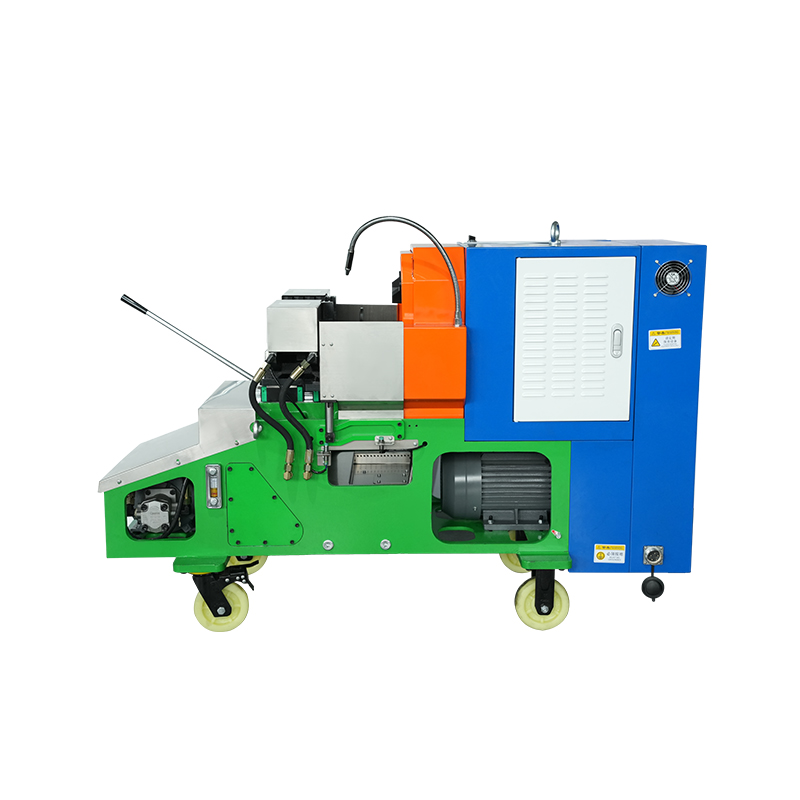
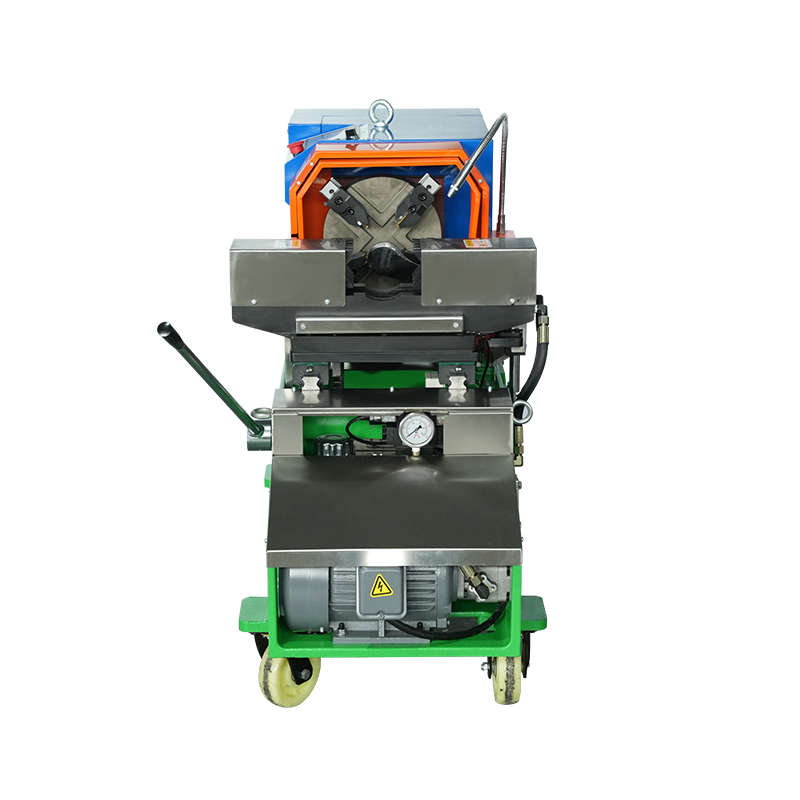
Hangzhou Xinabo Intelligent Electromechanical Technology Co., Ltd is een toonaangevend bedrijf op het gebied van de productie van intelligente draadsnijmachines. Sinds de oprichting streeft het er altijd naar om innovatie in draadverwerkingstechnologie te bevorderen en efficiënte en intelligente oplossingen te bieden voor de wereldwijde productie-industrie. wij zijn Fabrikanten van draadsnijmachines en Leveranciers van pijpdraadsnijmachines in China.
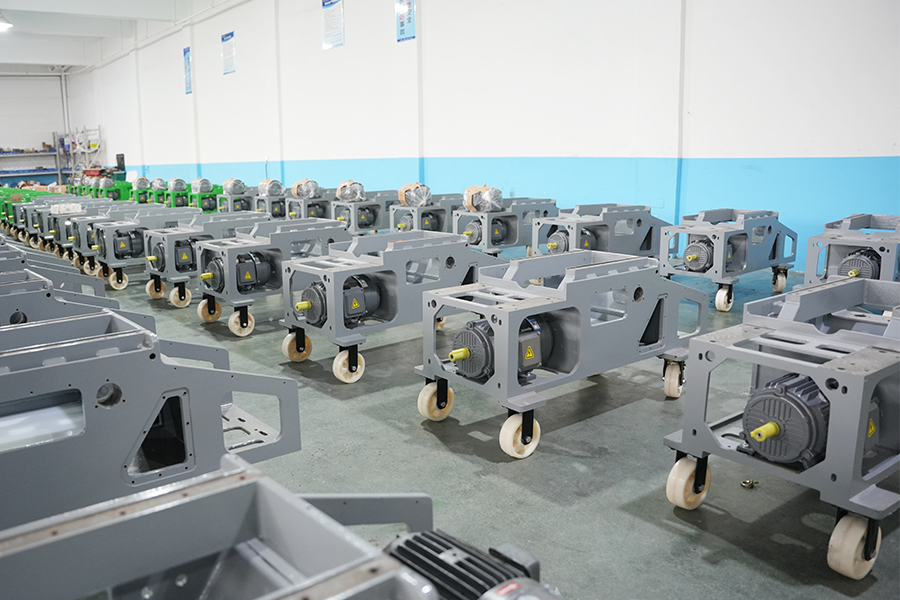

De oprichter heeft meer dan 20 jaar ervaring in pijpleidingbouw en is zich terdege bewust van de nadelen van traditionele bouwmethoden, zoals tijdrovend, arbeidsintensief, lange bouwtijd en hoge kosten.
Na 12 jaar toegewijd onderzoek en ontwikkeling hebben we met succes negen generaties intelligente draadsnijmachines gelanceerd. Elke generatie producten belichaamt onze niet-aflatende zoektocht naar technologische innovatie en kwaliteit. Als Aangepaste Fabriek voor pijpdraadsnijmachines. Nu heeft het bedrijf 30 patenten verkregen en de titel "Nationale Hightech-onderneming" gewonnen!
Wij houden ons altijd aan een klantgerichte en marktgerichte benadering om klanten efficiënte, intelligente en stabiele draadverwerkingsoplossingen te bieden.
Onze Pijpdraadsnijapparatuur worden veel gebruikt in brandbeveiligingstechniek, bouwtechniek en andere gebieden en worden zeer vertrouwd door klanten. Welkom om te informeren!

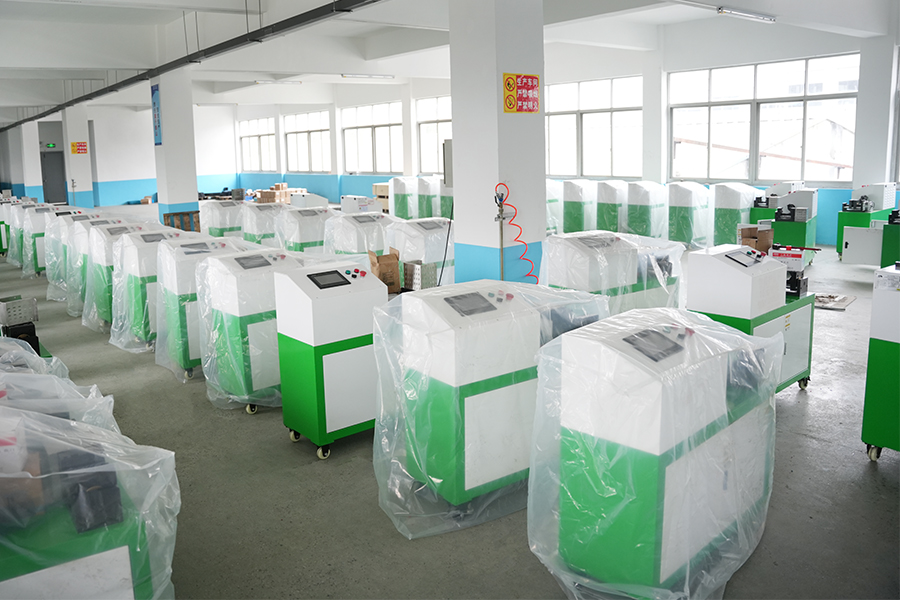
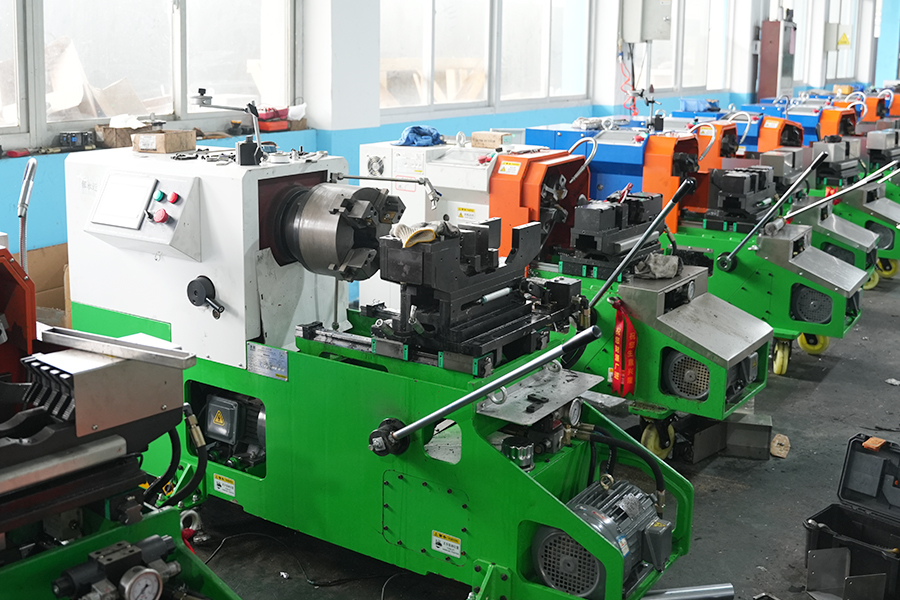
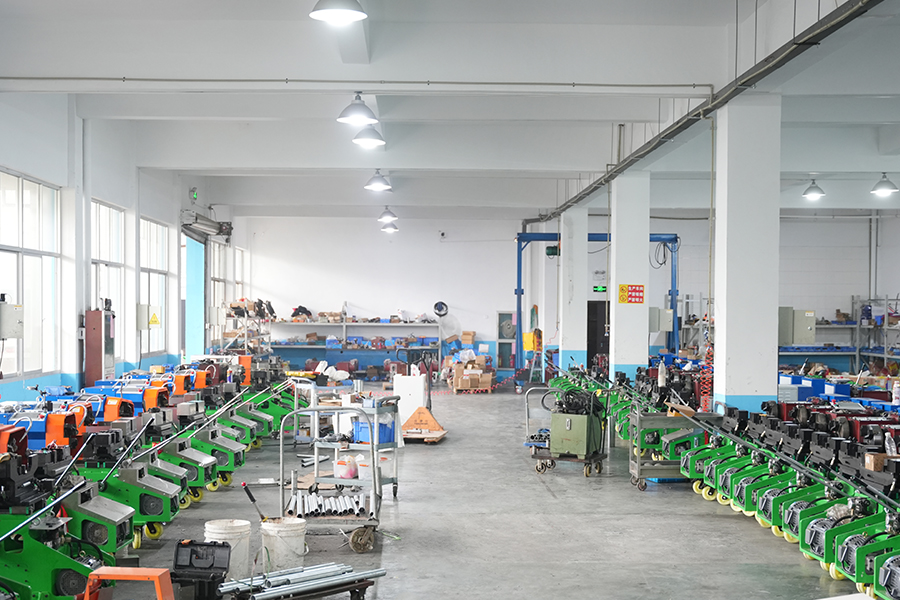
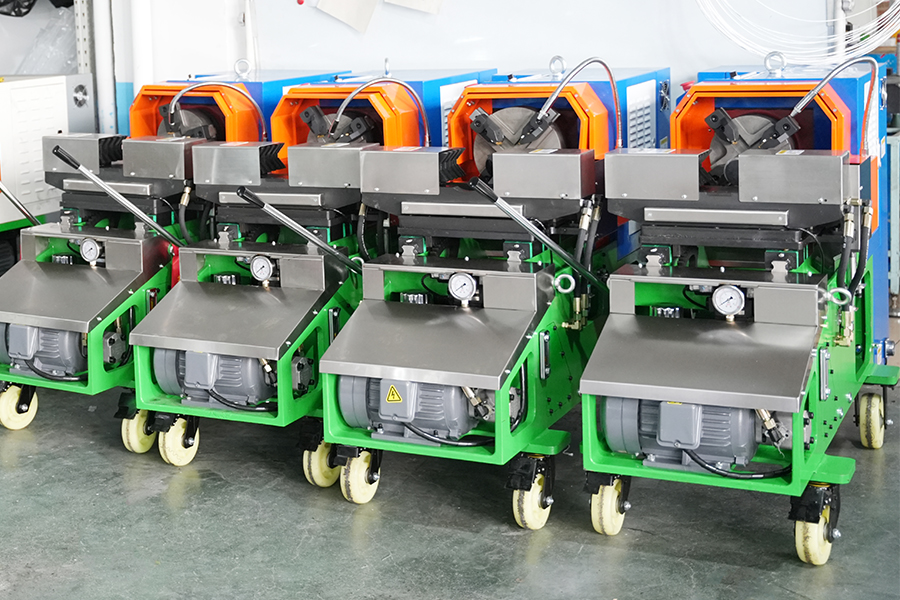
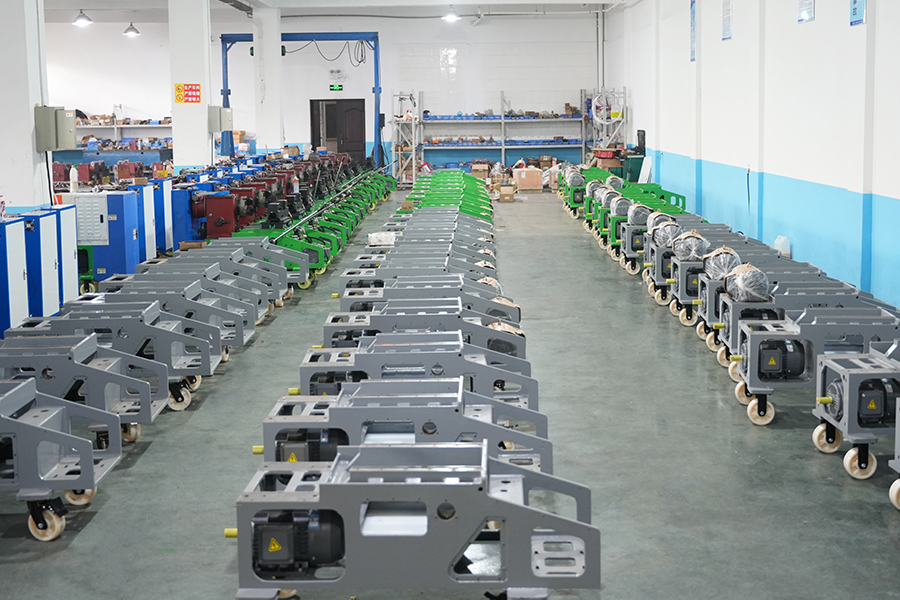
ONZE FABRIEK
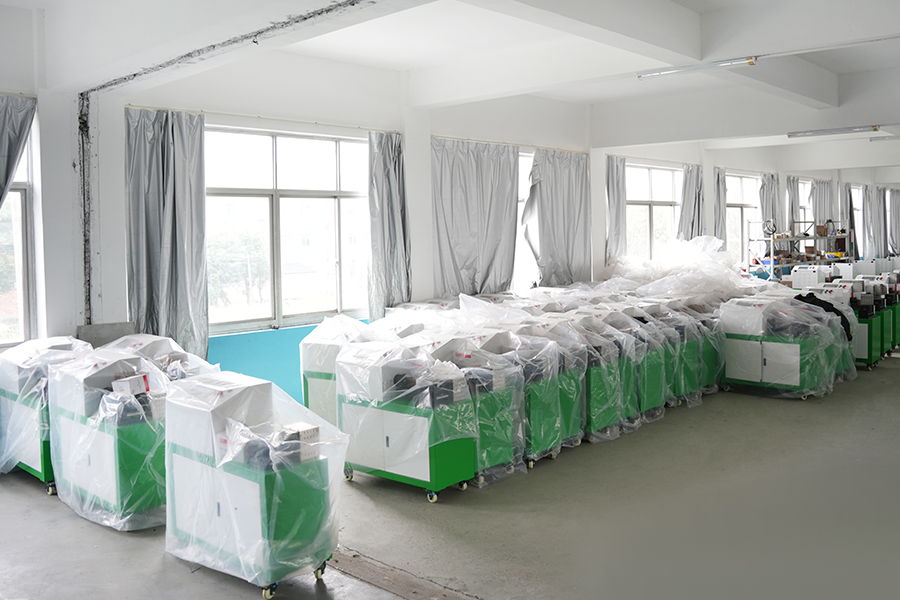
  • Magazijn
  • Magazijn
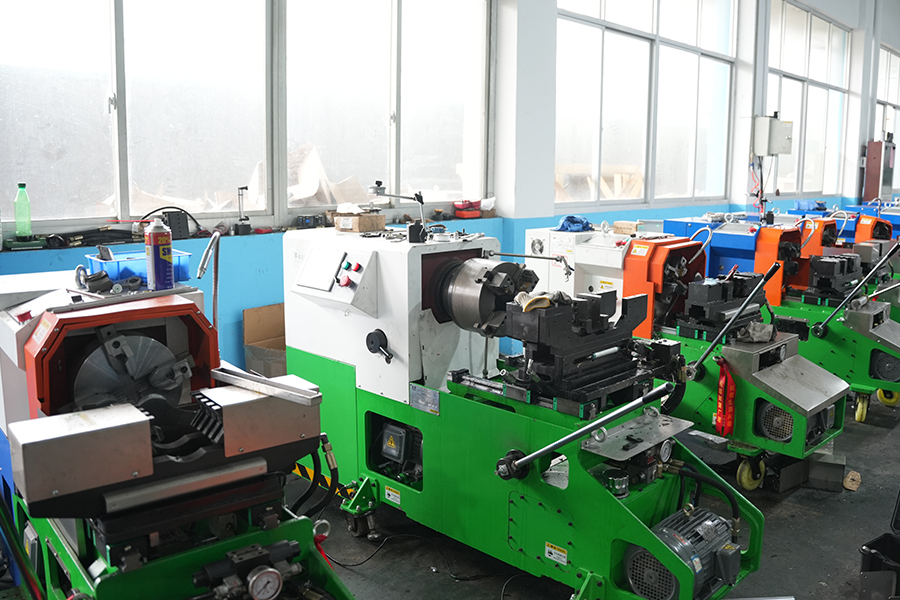
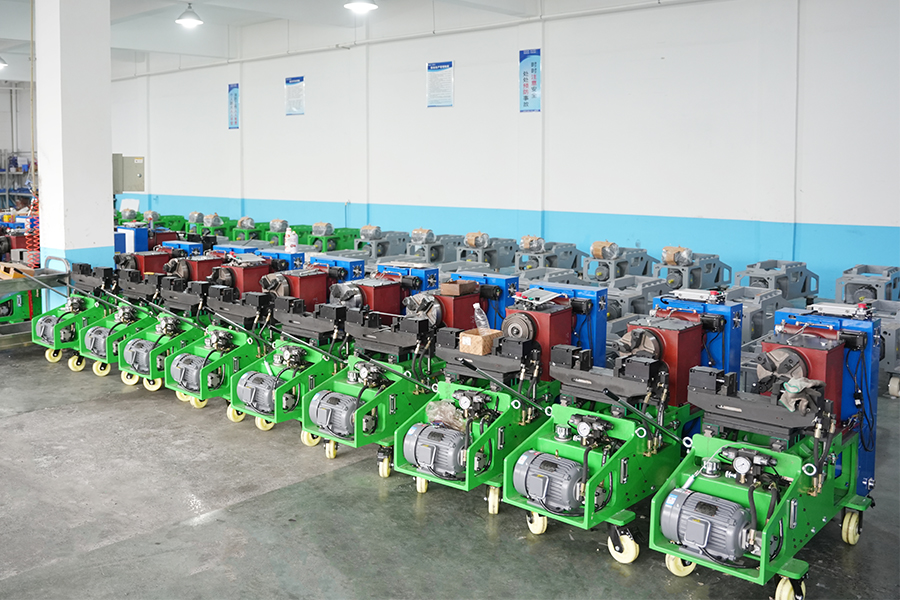
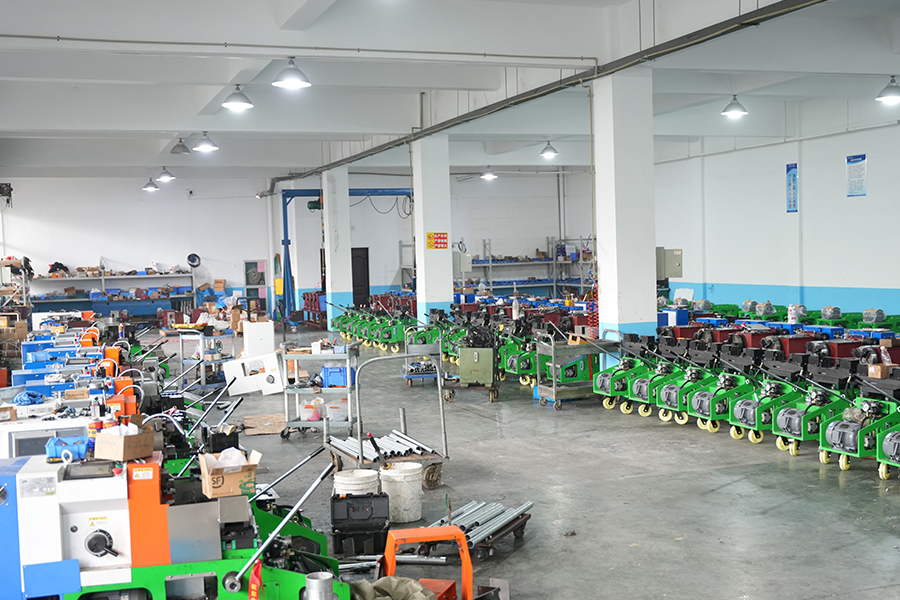
  • Werkplaats
  • Werkplaats
  • Werkplaats
  • Werkplaats
  • Werkplaats
  • Werkplaats
  • Werkplaats
  • Werkplaats
Bloggen
Industriekennis

How Pipe Material Affects Thread Quality and Tool Life

Not all metals respond to threading in the same way, and overlooking material-specific behavior is a common cause of premature die wear and thread rejection. When a Threading Machine is used across diverse pipe materials without adjusting parameters, subtle problems can accumulate quickly.

Carbon Steel and Galvanized Pipe

Carbon steel cuts predictably, but its hardness—especially in seamless schedules—accelerates flank wear on cutting edges. Galvanized pipe introduces an additional variable: the zinc coating can smear and build up inside the die head, reducing chip clearance. Periodic cleaning of the die pocket becomes essential when running galvanized stock in volume.

Stainless Steel

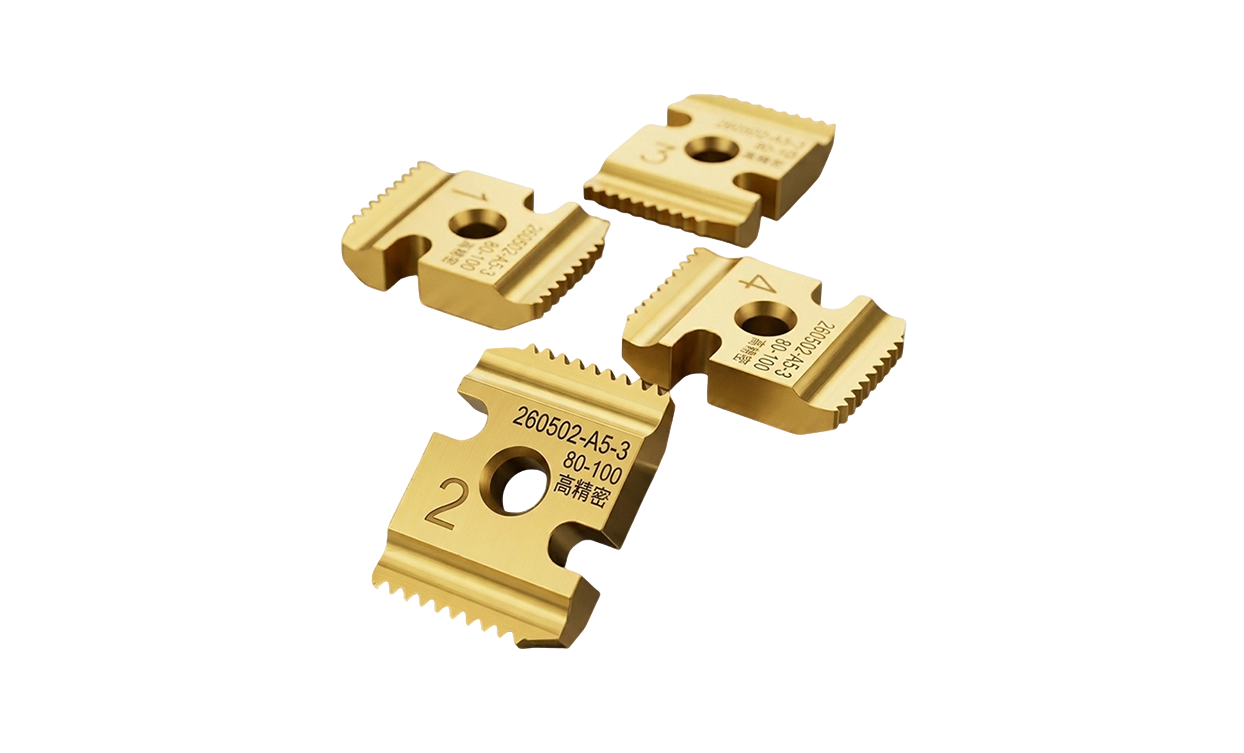
Stainless steel's tendency to work-harden mid-cut means that tool speed and coolant delivery must be precisely controlled. A slightly dull insert that would still function on carbon steel can cause galling and torn threads on stainless within just a few cycles. Sharp, well-cooled tooling is non-negotiable here.

Aluminum and Copper

These softer materials thread easily but are prone to built-up edge on the cutting tool. Using a light, consistent feed and ensuring the cutting oil has good anti-weld properties helps prevent the material from adhering to the die flanks. At Hangzhou Xinabo, we have found that fine-tuning the spindle speed for non-ferrous metals yields noticeably cleaner thread profiles with fewer burrs.

BSP, NPT, and Metric Threads — Choosing the Right Standard in Practice

Thread standard mismatches are among the costliest errors on job sites, often discovered only at the point of assembly. A capable Pipe Threading Machine should handle multiple standards, but the operator still needs to know when each applies.

Standard Common Name Typical Regions Sealing Method
BSPT / BSPP British Standard Pipe Europe, Asia, Middle East Tapered thread seal / Parallel with bonded washer
NPT / NPTF National Pipe Taper North America Tapered thread interference fit
Metric (ISO) ISO Metric Thread Global (specialty applications) Parallel, often with O-ring or gasket
Common pipe thread standards and their regional usage patterns

On multi-standard projects—such as international fire protection installations—the ability to switch between BSP and NPT profiles without changing the entire die head saves significant setup time. Always verify the thread form designation stamped on fittings before starting production runs.

Calculating the Real Cost of Threading Operations

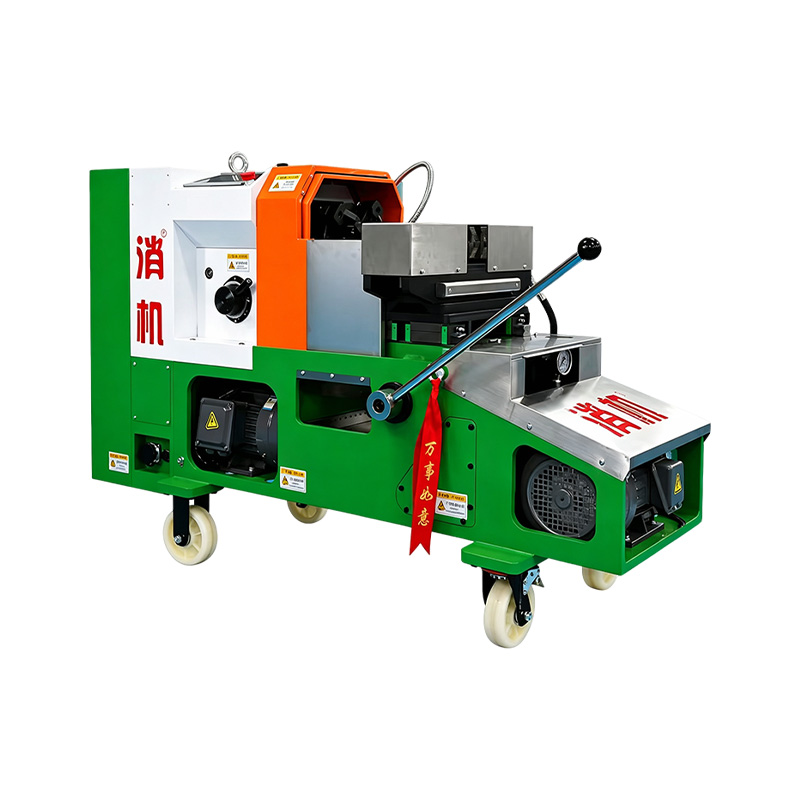
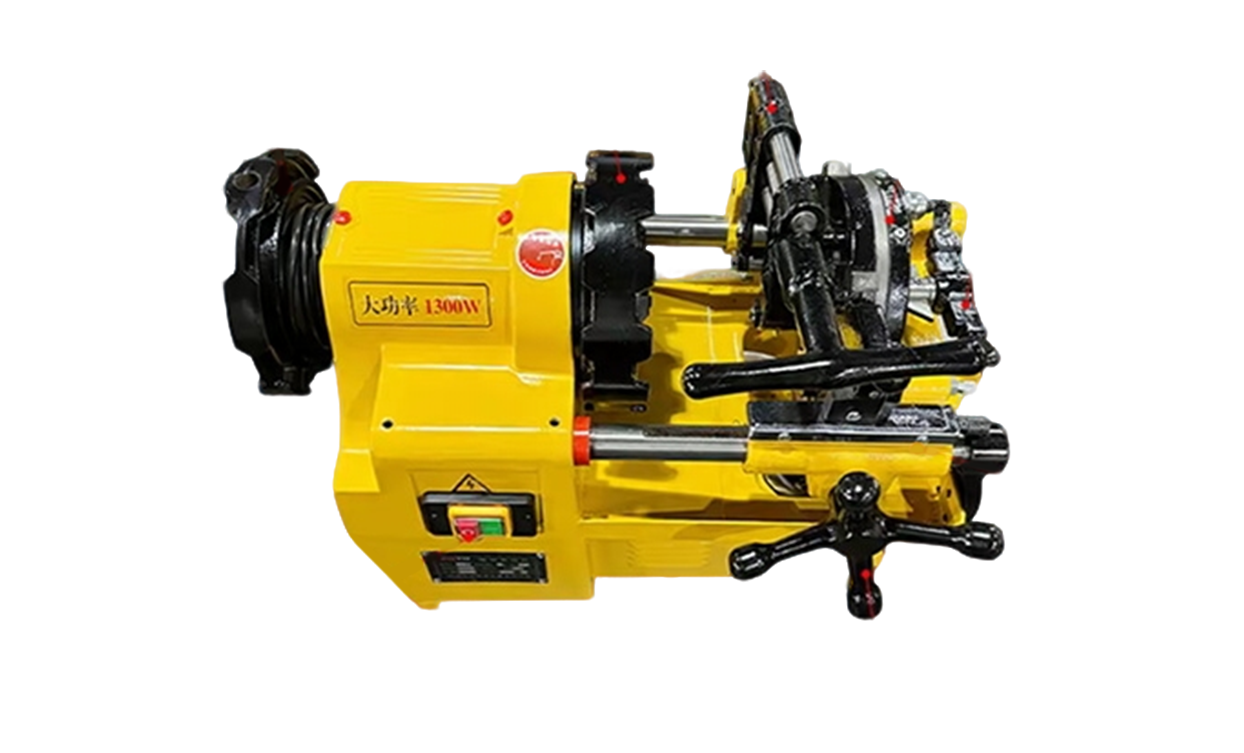
When evaluating Pipe Threading Equipment, the purchase price tells only a fraction of the story. The dominant cost driver over the machine's lifetime is labor, followed by consumables and rework from rejected threads.

Throughput Comparison

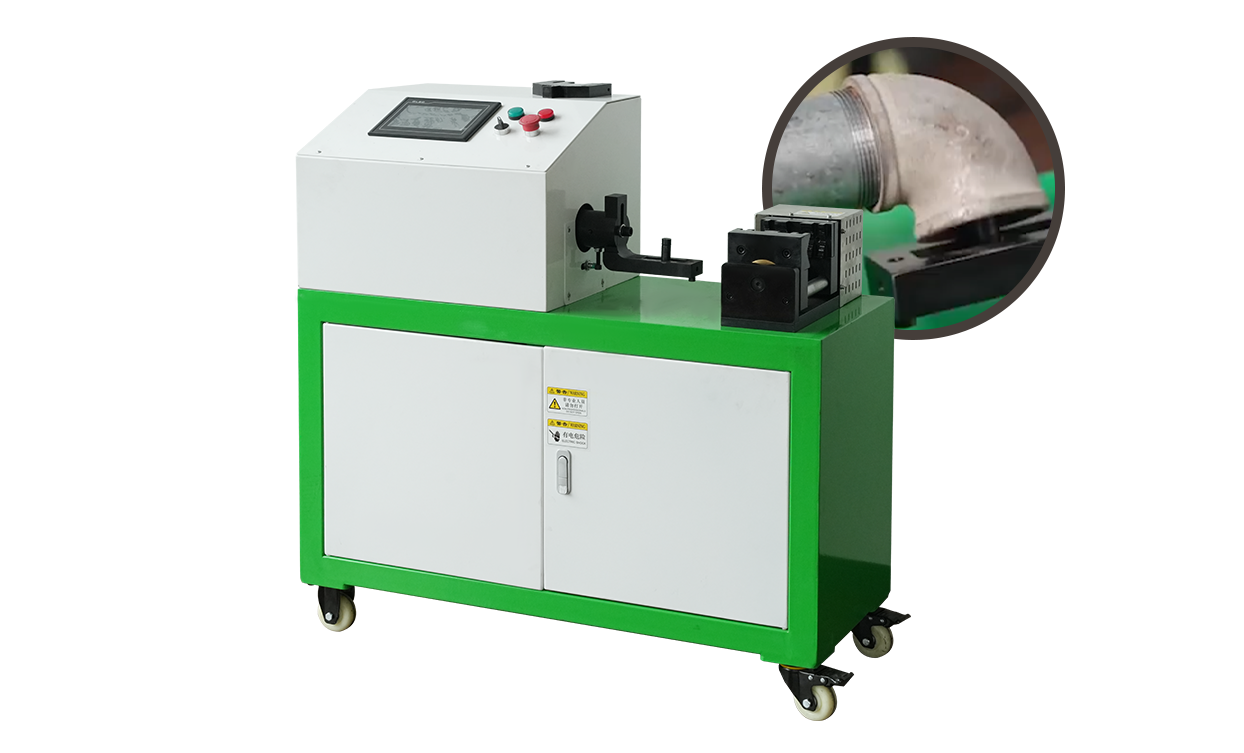
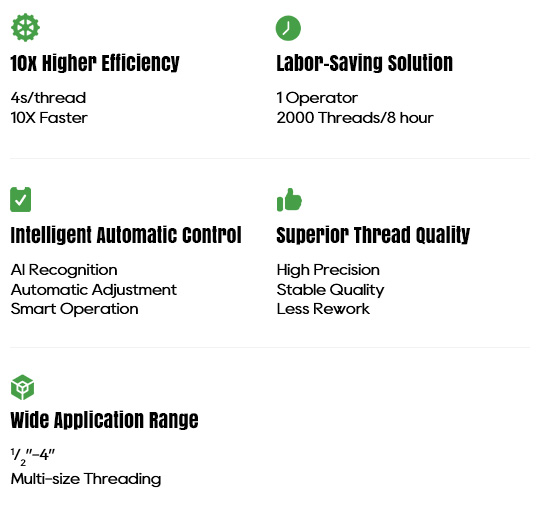
Modern Electric Pipe Threading systems can produce 1500–2000 threads per day in an 8-hour shift, roughly 10 times more than traditional manual threading methods. For small diameters in the 15–25mm range, a single thread cycle can complete in as little as 4 seconds. This throughput fundamentally changes how contractors schedule their prefabrication workflows.

Labor and Rework

Manual threading demands skilled operators who can maintain consistent feed pressure and monitor chip formation across hundreds of cycles—a recipe for fatigue-induced errors. Automated diameter recognition and tool adjustment, the kind we build into every Xinabo system, eliminate the most common sources of human error. Fewer rejected threads mean less material waste and virtually no on-site re-threading at the point of installation.

Consumable Longevity

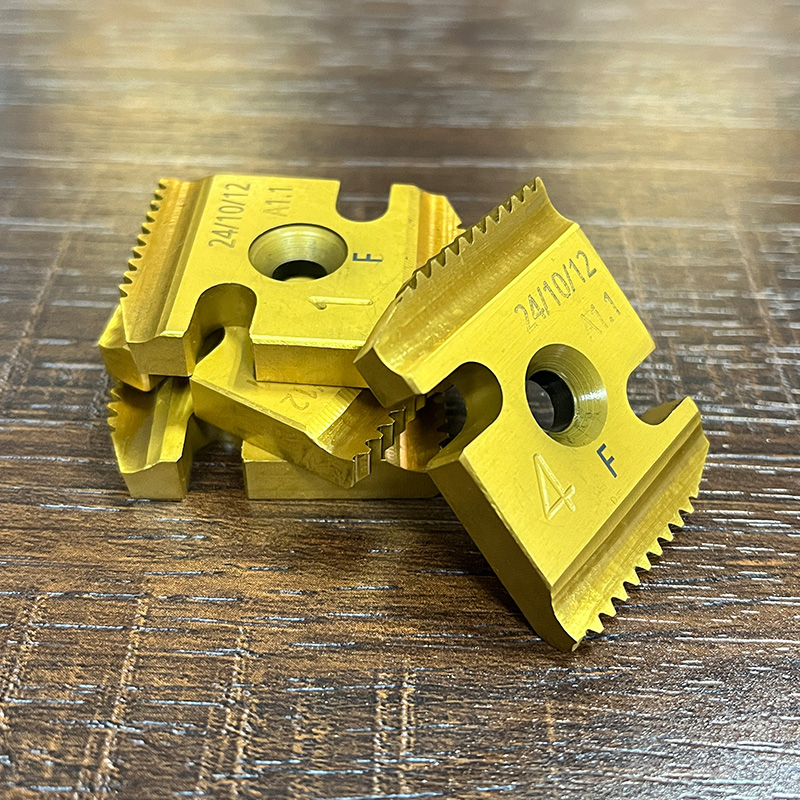
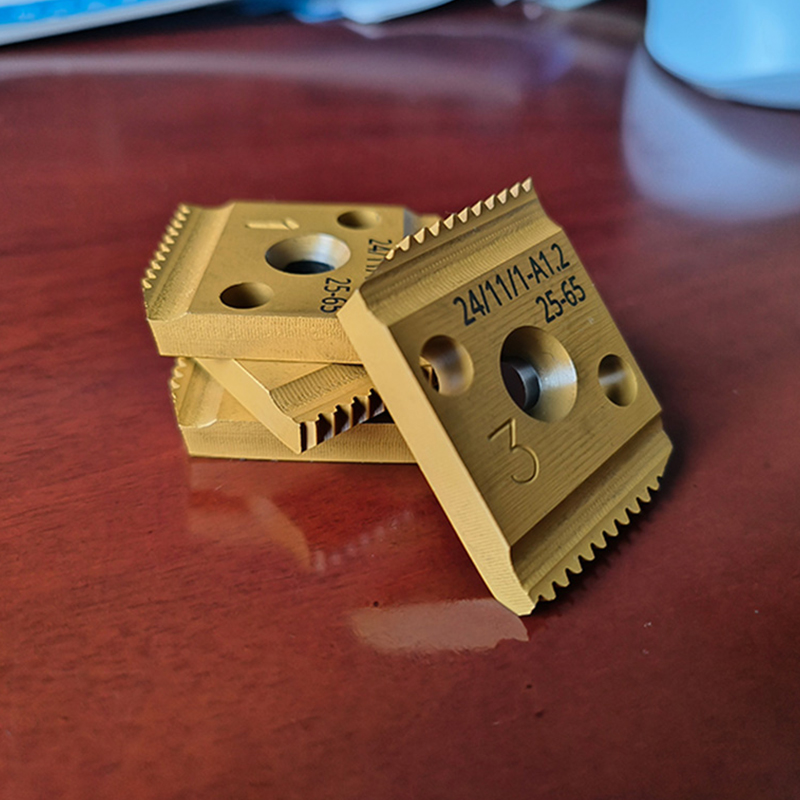
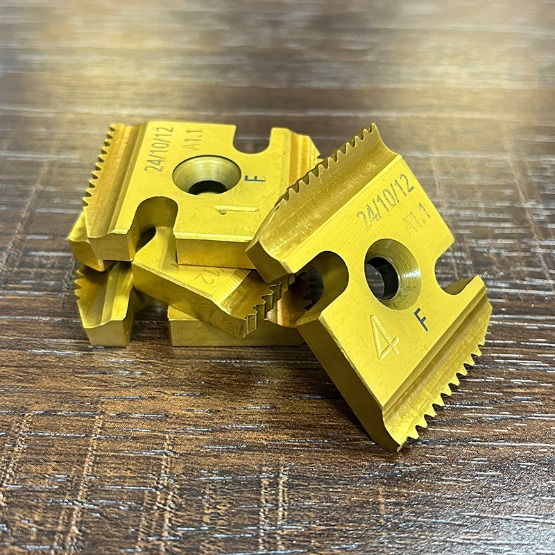
Because an intelligent machine applies optimal cutting parameters automatically, die life extends measurably. Operators are not guessing at speed or over-forcing the tool into the workpiece, which reduces edge chipping and extends the interval between die replacements.

The Role of Precision in Leak-Free Threaded Connections

Thread quality is not merely cosmetic—it directly determines whether a joint will hold under pressure, temperature cycling, and vibration over decades of service. A high-precision Pipe Thread Making Machine produces threads with consistent flank geometry and surface finish, which are critical for effective sealing.

In tapered threads such as NPT and BSPT, the sealing mechanism relies on the mechanical interference between the crest and root of the mating threads. Even a deviation of a few hundredths of a millimeter in pitch diameter can create a spiral leak path that joint compound or PTFE tape cannot reliably fill. Compliance with international standards—including ISO 7-1 and ASME B1.20.1—provides an objective benchmark for acceptable tolerance bands.

Equally important is the thread's surface finish. A rough, torn thread face creates micro-channels that compromise the metal-to-metal seal. Intelligent machines maintain steady feed rates and consistent coolant flow, yielding the smooth flanks necessary for both mechanical integrity and corrosion resistance at the thread root. For contractors working across fire protection and construction engineering, where joint failure is not an option, precision threading is a prerequisite—not a luxury.